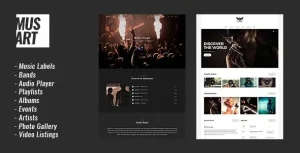
Swingster – Elementor Music WordPress Theme
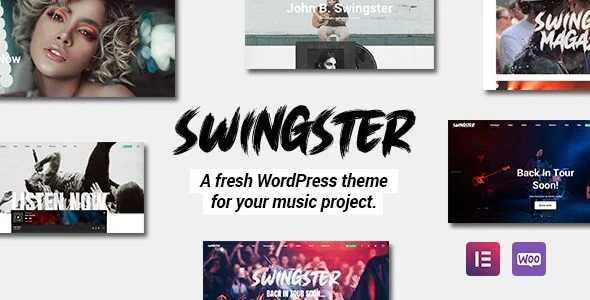
Swingster: Technical Overview & Architecture
Swingster – Elementor Music WordPress Theme is a WordPress theme built on the Elementor page builder framework, engineered for solo musicians, band managers, and independent record label operators who need to publish discographies, tour calendars, and merch stores from a single installation. The template ships with pre-optimized Elementor section templates that keep DOM depth shallow—average single-page node counts stay low because repeated album cards, track rows, and event listings render through looped widget instances rather than duplicated raw markup. Track interactions, playlist queue updates, and AJAX pagination on archive pages execute through localized admin-ajax endpoints, so adding a song to the persistent player or loading the next page of tour dates updates the DOM without triggering a full document reload. Page composition happens entirely inside Elementor’s drag-and-drop editor, where every header block, tracklist, and gallery grid is exposed as a reusable widget that binds directly to WordPress custom post types for albums, events, and videos. The centralized theme options panel controls typography scale across 6 preset font pairings, primary and secondary accent color output via CSS variable overrides, sticky-player positioning, header layout variants, and WooCommerce shop page column counts—all written to the customizer schema and applied without touching template files.
Core Functional Features of the Swingster Theme
- Built-in Audio Player with Playlist Management: A persistent bottom-bar player loads track metadata from album custom post types, supports queue reordering, continuous playback across page navigation, and volume/seek controls, with waveform data cached client-side to avoid re-fetching on route changes.
- Events Management System: Tour dates, festival slots, and one-off shows are stored as dated custom post entries with venue, ticket URL, and sold-out status fields; archive pages render chronological listings with AJAX filtering by year and location, plus automatic expiry handling for past dates.
- Discography Layouts: Album, EP, and single releases get dedicated archive and detail templates with cover art grids, per-track listings linked to the global player, external streaming store links, and release metadata fields pulled from structured post data.
- WooCommerce Integration: Product templates support physical merch, digital downloads, and ticket sales, with cart and checkout styling inherited from the theme’s CSS variable system so shop pages match the band identity without custom CSS overrides.
- Gallery and Video Modules: Photo galleries render through responsive grid widgets with lightbox support, and video embeds accept YouTube and Vimeo URLs processed through lazy-load wrappers to keep initial page weight down.
- Responsive and Retina-Ready Output: Breakpoints are defined at 1440, 1024, 768, and 480 px with retina image srcset handling, and the player controls collapse into a compact mobile bar that preserves queue access on small viewports.
Production Deployment & Use-Case Scenarios
- Solo Artist Portfolio: An independent vocalist publishes a five-release discography, embeds a persistent player on every page, and routes fans from track pages directly to streaming and merch checkout, consolidating a previously scattered Linktree-style presence into one indexable domain.
- Touring Band Hub: A four-piece rock band runs a 40-date tour calendar with per-city event pages, geo-tagged venue data, and ticket affiliate links, using sold-out states and automatic date expiry to keep the listing accurate without manual cleanup.
- Independent Record Label Catalog: A label manages a multi-artist roster through the album custom post type and taxonomy filters, publishes label-curated playlists, and sells digital releases through WooCommerce download products with per-artist archive pages.
Technical Architecture & Compatibility Standards
Swingster runs on WordPress 6.x with PHP 8.0 or higher and requires the Elementor page builder as its active composition engine; the theme’s widget set registers through standard Elementor category hooks, and custom post types for albums, events, and tracks are registered on the init action with rewrite rules flushed on activation. Frontend asset loading follows a conditional enqueue strategy—player scripts, gallery lightbox code, and slider libraries only load on templates that actually contain those widgets, which keeps unnecessary JavaScript off content-only pages and supports LCP targets under 2.5 seconds on standard shared hosting with a caching layer installed.
Interoperability extends to WooCommerce block and classic templates, Contact Form 7 and WPForms field styling, Mailchimp-compatible newsletter widgets, and translation-ready string wrapping with bundled .pot files for multilingual deployments via WPML or Polylang. Because layout output is delegated to Elementor, the theme avoids page-builder lock-in for content stored in post meta, and template files follow standard WordPress hierarchy so child themes can override single-album or single-event views without modifying the parent package during updates.
Frequently Asked Questions
Does Swingster support selling digital music downloads and event tickets directly on the site?
Yes, the theme includes full WooCommerce compatibility, so digital release downloads, physical merch, and ticket-type products can all be sold through native shop, cart, and checkout templates.
Can the built-in audio player keep playing while visitors browse different pages?
Yes, the persistent player maintains playback state across page navigation and exposes queue reordering, so listeners can browse discography and event pages without interrupting the current track.
Does the events system automatically hide or archive past tour dates?
Yes, event entries are date-aware and automatically expire from the active listing once the show date passes, keeping tour calendars accurate without manual deletion.
Can I build every page layout without writing custom CSS or PHP code?
Yes, all headers, footers, album grids, tracklists, and event pages are assembled through Elementor widgets and prebuilt section templates, with colors and typography managed from the theme options panel.
Is Swingster dependent on any third-party paid plugins beyond Elementor to function?
No, the core album, event, player, and gallery systems are built into the theme itself; Elementor’s free version handles page composition, and WooCommerce is only required if you operate a shop.