Omens – Multipurpose Creative WordPress Theme
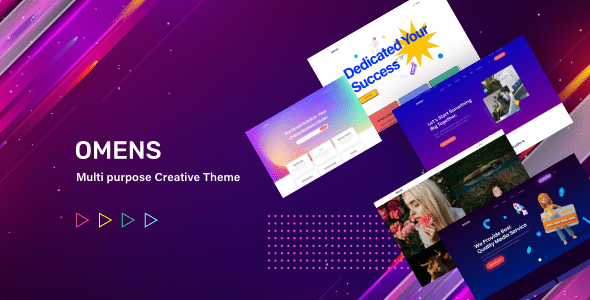
Omens Multipurpose Creative WordPress Theme Overview & Editorial Presentation Layer
Omens Multipurpose Creative WordPress Theme is a design-system-driven theme package engineered for agencies, SaaS teams, and multi-department organizations that must ship landing pages, portfolio entries, and full content libraries on one consistent layout foundation. The package targets a concrete operational bottleneck: fragmented section anatomy, where mismatched cards, drifting typography, and uneven spacing stretch review cycles and break visual rhythm across device breakpoints. Within production workflows, it operates as the presentation layer that keeps case studies, service tiers, pricing tables, and editorial hubs aligned under shared style tokens while campaigns launch and retire without structural rework.
Technical Specifications & Deployment Matrix
| Engineering Metric | Deployment Specification |
|---|---|
| Base Technology / Framework | WordPress theme package built on the native template hierarchy, with modular layouts for home, portfolio, blog, and landing contexts |
| Runtime / Language Requirements | Standard WordPress PHP/MySQL environment; translation-ready string structure for multilingual deployments |
| Data Exchange / Communication Protocols | Native WordPress rendering pipeline; media layer handles video embeds, galleries, and lightbox display |
| Front-End / Engine Dependencies | Global style tokens governing typography, spacing, and color; responsive viewport controls tuned for long-read and conversion pages |
| Database / Persistence Footprint | Standard WordPress content storage; no custom persistence layer is documented in the shipped templates |
Modular Section Architecture & Rendering Pipeline
The core mechanism is a shared section anatomy: reusable blocks render timelines, pricing tables, testimonials, FAQs, metrics, and process steps from one consistent markup pattern. When an inbound request resolves through the WordPress template hierarchy, the engine selects the appropriate modular layout—home, portfolio, blog, or landing—and composes the page from these pre-aligned sections rather than bespoke per-page markup. Global style tokens then apply typography, spacing, and color values from a single source, so every card inherits identical proportions and typographic rhythm. Media components follow declared aspect ratios, which prevents layout shift when video embeds, galleries, or lightbox instances hydrate mid-scroll. Navigation remains predictable through breadcrumb support and sticky action placement, positioning calls to action where visitor momentum peaks. This architecture behaves like an enforced editorial grid: sections can be reordered, duplicated, or retired while the overall rhythm stays consistent, which shortens QA passes because a fix in one section pattern propagates to every instance. Teams that need directory-style listings alongside editorial content can layer GeoDirectory onto the same WordPress stack to add custom post types, maps, and review forms without rewriting the presentation layer.
Core Technical Capabilities of Omens
- Reusable block composition: Cards for case studies, service tiers, and product callouts share the same structural anatomy, making side-by-side comparisons accurate and reducing the markup surface that reviewers must inspect across page variants.
- Global style token governance: Typography, spacing, and color values flow from shared definitions, so departmental contributors publishing from multiple accounts cannot drift the tone or break the visual system during routine content operations.
- Predictable navigation layer: Breadcrumb support and sticky actions keep wayfinding legible on long-scroll pages, giving visitors a clear route from first scan to primary action without friction points at section boundaries.
- Media ratio enforcement: Declared ratios for video embeds, galleries, and lightbox assets hold layouts stable during hydration and traffic spikes, protecting CLS behavior on conversion-critical pages.
- Lightweight template footprint: The shipped templates stay lean so page weight does not balloon as teams stage launches or publish full libraries over a quarter, keeping render cost predictable under load.
Production Implementation & Operational Resilience
In agency staging and client handoff environments, the theme’s consistency model reduces regression risk: because sections derive from shared patterns and governed tokens, QA can validate a block once and trust every instance that inherits it. During high-traffic windows—campaign launches, event pages, or traffic spikes—the lightweight templates and enforced media ratios keep long-read and conversion pages responsive instead of collapsing under heavier asset payloads. Error boundaries are handled at the layout level: retiring a campaign or unpublishing a section removes its markup cleanly while sibling sections retain their spacing rhythm, so partial content states do not leave orphaned gaps. Accessibility-minded patterns are embedded in the section templates themselves, which matters when multiple departments contribute, since individual authors cannot opt out of legible contrast, focus behavior, or heading order by accident. Translation readiness allows the same template set to serve localized deployments without forking the layout code. For customization, the intended extension surface is the style token layer—overriding typography, spacing, and color values—and asset replacement within the existing media ratios; structural deviations beyond those ratios fall outside the documented guardrails and should be treated as template forks. Editorial teams running recurring resource hubs can additionally deploy Content Notify as an independent subscription plugin on the same site to push gated alerts and digests without altering the theme’s rendering pipeline.
Frequently Asked Questions
Does Omens include breadcrumb navigation across its page templates?
Yes. The theme ships with breadcrumb support as part of its predictable navigation layer, alongside sticky action placement, so visitors retain wayfinding context on long-scroll portfolio, blog, and landing pages during extended browsing sessions.
Can the media layer display video embeds, galleries, and lightbox views?
Yes. Media options cover video embeds, galleries, and lightbox display, with declared media ratios that hold layout geometry stable as these assets load, preventing mid-scroll reflow on long-read and conversion-focused page templates.
Is the theme prepared for multilingual content operations?
Yes. Translation readiness is built into the string structure, allowing the same modular template set to serve localized deployments without forking layout code, which matters for organizations running editorial hubs across multiple departments and regions.
-
v1.0.8 LatestOct 24, 2026