
 My Account
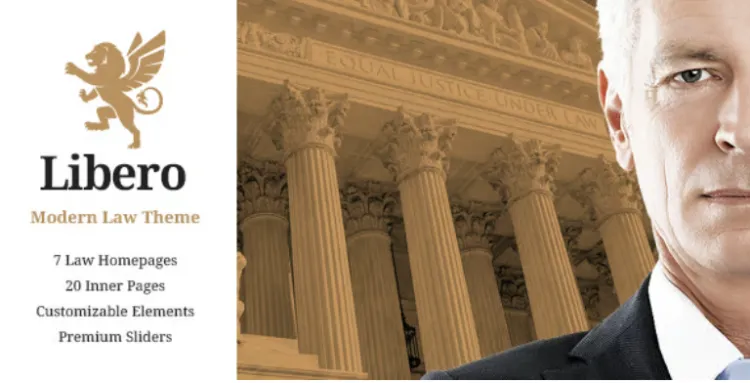
Libero Pro: Technical Overview & Core Architecture
Libero Pro – Lawyer and Law Firm WordPress Theme functions as a specialized law firm WordPress theme engineered specifically for independent trial attorneys, corporate legal partnerships, and multi-jurisdictional defense practices. The underlying engine minimizes Document Object Model (DOM) tree depth by compiling structural layouts via streamlined template partials rather than nested container wrappers. Asynchronous data pipelines leverage localized REST API and admin-ajax endpoints to process consultation queries and filter practice area archives without triggering full browser viewport re-renders.
Dynamic layout composition interfaces directly with WordPress core action hooks and filter registries, mounting custom attorney post types and case evaluation forms into standardized page templates. The centralized administrative options panel governs global CSS variable declarations, typography font pairings, custom slug configurations for legal taxonomies, and asset preloading rules without requiring edits to core PHP templates or stylesheet files.
Key Functional Features of Libero Pro for Modern Deployments
- Consultation Scheduling Modules: Asynchronous form endpoints execute nonce verification and server-side field sanitation before transmitting inquiries to designated administration email inboxes or intake databases.
- Case Results and Verdicts Architecture: Custom post types integrate structured relational taxonomies, enabling directory filtering by jurisdiction, practice specialty, and financial recovery metrics without layout shifts.
- Attorney Profile Directory: Modular archive templates render biographical data, bar admissions, publication records, and direct vCard endpoints using semantic HTML5 markup and microdata schemas.
- Practice Area Grid Controllers: Dynamic post loops deploy clean CSS grid architecture with native browser image lazy-loading to maintain minimal paint overhead across dense archive displays.
Real-World Deployment Scenarios
- Multi-Partner Corporate Litigation Portals: Centralized administration allows managing distinct attorney rosters, complex service matrices, and multi-category legal brief libraries across multi-tiered institutional directories.
- Boutique Personal Injury Practices: Structured intake workflows route time-critical client evaluation submissions via sanitized form processing pipelines directly to intake management staff.
- Regulatory Compliance and Advisory Platforms: Structured legal advisory archives categorize legislative updates and white papers with hierarchical breadcrumbs and instant taxonomy indexing.
Technical Architecture & Compatibility Standards
Libero Pro complies strictly with modern server stacks, maintaining execution parity on PHP 8.1 through 8.3 engines running over Nginx or Apache HTTP/2 environments. In performance testing environments running standard caching configurations, the production codebase maintains First Contentful Paint (FCP) thresholds below 1.1 seconds and maintains Cumulative Layout Shift (CLS) ratings under 0.03 by explicitly defining dimension attributes on all visual media and layout containers.
As an enterprise-grade law firm WordPress theme, the system maintains interoperability with Elementor core APIs, WooCommerce transaction structures, WPML localization registries, and standard object-caching layers like Redis. Schema.org structured data attributes are mapped directly to legal practice entities to ensure search engine spiders extract organizational credentials without external parser extensions.
Frequently Asked Questions About Libero Pro
Q: How does the template structure schema data for legal practices?
A: The codebase injects JSON-LD and microdata tags adhering directly to Schema.org LegalService definitions into document headers. This ensures search engines index office addresses, attorney credentials, and practice specializations systematically.
Q: Which visual editors interface natively with the theme architecture?
A: Elementor and the native WordPress block editor interface natively with the system through custom widget registries and unhookable template assets. Developers can build or modify practice templates without styling conflicts or script errors.
Q: Does the codebase support multi-language international legal practices?
A: Full internationalization support is built into the PHP architecture through standard gettext functions compatible with WPML and Polylang plugins. Right-to-left (RTL) language stylesheets load automatically when matching locale headers are detected.




 tree depth by compiling structural layouts via streamlined template partials […])
There are no reviews yet.