Kapena – Minimal Portfolio WordPress Theme
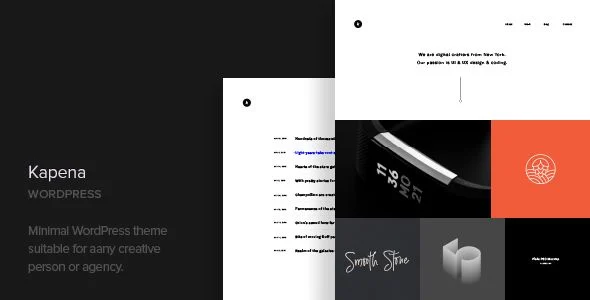
Kapena Overview & Minimal Portfolio Design Framework
Kapena is a minimal responsive WordPress portfolio theme engineered for photographers, studios, and independent creatives who need image galleries to function as the primary content layer of a site. The package targets a concrete constraint in conventional portfolio builds: how large image archives can be delivered without forcing visitors through paginated archive requests or full page reloads. Within production and staging workflows, it operates as a self-contained front-end layer installed through the native WordPress theme system, shipping with an XML demo content file and a child theme so agencies can stage, override, and customize without touching the parent codebase.
Technical Specifications & Deployment Matrix
| Engineering Metric | Deployment Specification |
|---|---|
| Base Technology / Framework | WordPress theme package (PHP, CSS, and JS source files), version v1.4 |
| Runtime / Language Requirements | WordPress 7.0.x environment |
| Browser Compatibility | Firefox, Safari, Opera, Chrome, and Edge |
| Multilingual Compatibility | WPML and Polylang |
| Editor Compatibility | Gutenberg optimized: No; content elements authored via shortcode generator |
| Layout Behavior | Responsive layout adapting to any screen size; 4+ column grid structures |
| Widget Support | Widget ready |
| Localization Layer | Includes .POT file; Loco Translate compatible |
Ajax Content Pipeline & Rendering Architecture
Portfolio items and blog posts load through Ajax requests triggered by scroll position or a load-more button. This is the central execution flow of the theme: instead of navigating to a new archive page, the JavaScript layer requests the next batch of entries and injects the rendered markup into the existing DOM, preserving scroll context and keeping the visual state of the page intact during retrieval. The same mechanism covers both content types — portfolio archives and blog feeds — through two configurable trigger modes: automatic detection as the visitor approaches the end of the loaded set, and an explicit button tap for visitors who prefer manual control over data fetching.
Architectural & Functional Highlights
- Six pre-made portfolio layouts: Each layout defines a distinct composition rule for portfolio post presentation — grid density, spacing rhythm, and image proportion — allowing studios to select an archive structure that matches their visual direction without hand-coding template files.
- Ajax infinite scroll engine: Content retrieval runs without a full page reload for both portfolio items and blog posts, and the dual trigger model (scroll-based or button-based) lets implementers decide how aggressively additional entries are fetched.
- Shortcode generator: Instead of requiring PHP authoring, the theme exposes a generator that outputs embeddable shortcodes for page elements, lowering the technical barrier for content editors working inside the standard WordPress editor.
- Image and text slider components: Simple rotating modules for images and text are built into the theme, providing lightweight presentation dynamics without registering external slider dependencies.
- Translation-ready localization layer: A bundled .POT file works with Loco Translate, while WPML and Polylang compatibility enables multilingual deployments where content is maintained across parallel language trees.
For studios evaluating separate standalone portfolio solutions within the same WordPress ecosystem, Gilbo – Creative Portfolio Personal WordPress Theme addresses comparable personal showcase requirements as an independent theme package with its own layout system.
Production Deployment & Implementation Considerations
Deployment begins on a WordPress 7.0.x environment: the theme is uploaded through the admin appearance panel, activated, and the included XML demo content file can then be imported via the native WordPress importer so the staging site mirrors the reference presentation before live content replaces it. Registered widget areas accept standard WordPress widgets, which extends sidebar and footer composition without template edits.
Implementation boundaries should be understood before commit. The theme is not Gutenberg-optimized — layout construction runs through its shortcode generator and theme-defined structures rather than native block patterns, so teams standardizing on block-first editorial workflows should plan accordingly. Cross-browser behavior is verified across Firefox, Safari, Opera, Chrome, and Edge, and the responsive layout adapts the 4+ column grid structures to smaller viewports.
Customization scope is explicit: a child theme ships inside the package, giving developers a sanctioned override layer for template and style modifications that survive parent updates. Multilingual projects rely on the .POT file, Loco Translate, WPML, or Polylang rather than hardcoded strings. As an independent alternative for agencies needing a combined personal-and-agency portfolio direction, Crete – Personal Portfolio and Creative Agency WordPress Theme covers that dual-use scenario as a separate theme package.
Frequently Asked Questions
Does the download include demo content files for replicating the reference presentation?
Yes, an XML demo content file ships with the package and can be imported through the WordPress importer, populating portfolio posts, blog entries, and page structures so a staging environment matches the live demonstration before custom content is layered in.
Is Kapena optimized for the Gutenberg block editor?
No. The theme is explicitly not Gutenberg-optimized; sliders and layout elements are produced through its built-in shortcode generator rather than native block patterns. Gutenberg can still run as the active editor, but the intended authoring path centers on shortcodes and theme-defined structures.
Can widget areas be populated with standard WordPress widgets?
Yes. The theme is widget ready, meaning its registered widget areas accept core and third-party WordPress widgets, which allows sidebar and footer regions to be composed administratively instead of requiring direct template file modifications during deployment.
-
1.4 LatestOct 26, 2026