
 My Account
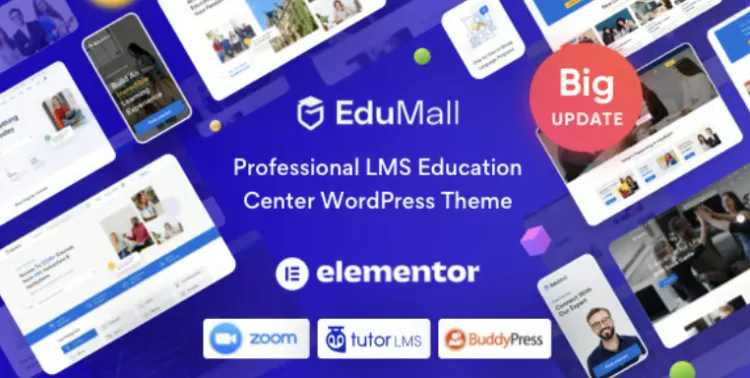
Core Engineering & LMS Architecture of EduMall
EduMall – Professional LMS Education Center WordPress Theme is an LMS education theme engineered specifically for academic institutions, corporate training divisions, and commercial course instructors to deploy structured e-learning curricula and manage asynchronous student evaluations. The template structure relies on standardized template wrappers and modular AJAX endpoints that decouple rendering routines from database write cycles. Centralized option panels manage global layout rules, reducing CSS overhead and standardizing asset delivery across high-concurrency educational portals.
Architectural Capabilities & Implementation of EduMall
- Curriculum Hierarchy Virtualization: Dedicated database schemas organize multi-tiered course syllabi, lesson units, and interactive assignments with minimal DOM tree nesting.
- Asynchronous Assessment Engine: Background JavaScript listeners handle quiz submissions, time limits, and immediate grading calculations without initiating full document reloads.
- Instructor Profile Directory: Standardized custom post types expose verified educator credentials, biographical metadata, and assigned course indices via cached query routines.
- Granular Role Permission Mapping: Custom capabilities restrict student access to locked modules while permitting teaching assistants to grade assignment submissions independently.
Operational Implementation Scenarios
- Enterprise Workforce Training: Human resources teams deploy the LMS education theme to deliver mandatory compliance certifications, record module completion times, and archive testing transcripts.
- Commercial Accreditation Academies: Independent educational publishers configure structured paywalled course tracks, automated certificate generation routines, and multi-tier subscription portals.
- Higher Education Extension Programs: University departments establish remote lecture repositories with local document caches and scheduled assignment submission deadlines.
Technical Specifications & Ecosystem Support
Production installations of EduMall demand specific server configurations and database tuning to sustain concurrent learner queries without latency degradation.
| Environment Metric | Technical Standard |
|---|---|
| PHP Runtime Environment | PHP 8.1 or PHP 8.2 with memory_limit set to 256M minimum |
| Database Architecture | MySQL 8.0 or MariaDB 10.4 with InnoDB default storage engine |
| Core Web Vitals Compliance | Modular script dequeuing ensuring sub-1.8s Largest Contentful Paint |
| Asset Optimization Schema | Conditional CSS and JavaScript payload generation based on page context |
Frequently Asked Questions About EduMall
Q: How does the platform handle high-volume database queries during concurrent quiz submissions?
A: Object caching through Redis eliminates repeated database calls by storing transient course progress queries directly in server memory. The codebase offloads state verification to optimized REST endpoints, preserving relational database integrity under simultaneous traffic spikes.
Q: Can developers extend learning workflows using standard WordPress hooks?
A: Custom hook and filter architectures allow developers to manipulate course progression logic and assessment outcomes without modifying core files. Actions exist at all major execution events, including course enrollment, topic completion, and certificate emission.
Q: How does the template structure prevent script bloat on non-learning landing pages?
A: Native asset minification and modular script execution prevent unused CSS from blocking initial viewport rendering on marketing pages. Administrators configure this LMS education theme to enqueue course-specific libraries exclusively when matching post templates resolve.




There are no reviews yet.