
 My Account
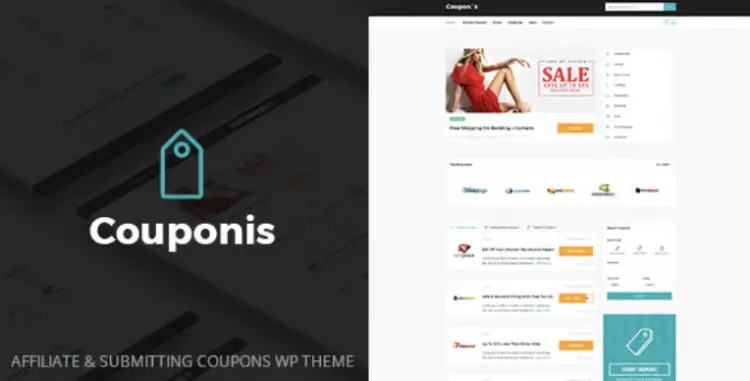
Couponis Pro: Technical Overview & Core Architecture
Couponis Pro – Affiliate & Submitting Coupons WordPress Theme is a specialized affiliate coupon theme engineered for performance marketers, coupon aggregators, and digital publishing networks. The internal codebase minimizes Document Object Model (DOM) depth by generating flat HTML trees and eliminating nested presentation wrappers during loop queries. Asynchronous REST and AJAX endpoints execute user voting, coupon reveals, and clipboard operations locally to prevent synchronous thread locking and eliminate full page refreshes.
Component assembly adheres to native WordPress action and filter hooks, allowing developers to inject custom layout modules directly into single coupon views, category archives, and search grids. The centralized theme management panel establishes granular control over affiliate outbound redirect statuses (301, 302, or 307), automated coupon expiration routines, frontend submission moderation pipelines, and modal trigger thresholds without modifying PHP template files.
Key Functional Features of Couponis Pro for Modern Deployments
- Asynchronous Frontend Submission Engine: Registered and guest users submit discount codes through a multi-step front-facing form that handles custom taxonomy tagging, expiration date validation, and immediate image attachment processing directly into the pending review database queue.
- Click-to-Reveal Redirection Workflow: Triggering coupon copy actions initiates a decoupled JavaScript event that transfers the code string to the system clipboard while simultaneously opening merchant affiliate tracking URLs in an isolated browser tab.
- Taxonomy-Based Search Filtering: The internal querying engine implements faceted filtering across store taxonomies, deal categories, and coupon types, querying indexed metadata tables to return filtered archive datasets with zero cumulative layout shifts.
- Automated Expiration Handling: Cron-driven cleanup scripts evaluate coupon validity timestamps twice daily, automatically moving expired posts to draft status or applying descriptive CSS classes to indicate inactive deals to incoming crawlers.
Real-World Deployment Scenarios
- High-Volume Deal Aggregation Portals: Operating an affiliate coupon theme at scale requires automated ingestion pipelines, where the engine parses incoming affiliate network CSV payloads into structured custom post types with store associations.
- Community-Driven Coupon Communities: The template isolates user-submitted deals within custom database tables, running sanitization filters across user input fields before presenting submission queues to administrative editors.
- Niche Product Review Hubs: Editorial teams mount single coupon modules and store badges within contextual product review posts via dynamic template parts, consolidating editorial content with monetization triggers.
Technical Architecture & Compatibility Standards
The codebase is constructed for modern server environments, fully compliant with PHP 8.1 and PHP 8.2 runtimes while strictly enforcing WordPress Core Coding Standards (WPCS). Couponis Pro optimizes script execution budgets by enqueuing minified CSS and deferred JavaScript files strictly on the specific page templates that require interactive coupon components, keeping First Contentful Paint (FCP) and Largest Contentful Paint (LCP) well within Core Web Vitals thresholds.
Interoperability with third-party software forms a fundamental aspect of the theme architecture. The template supports WooCommerce for checkout operations, integrates seamlessly with major SEO metadata frameworks, and caches transient query data across Redis or Memcached server layers to maintain sub-second server response times during concurrent traffic spikes on high-density coupon archives.
Frequently Asked Questions About Couponis Pro
Q: How does the theme manage coupon link cloaking and affiliate redirects?
A: The theme executes internal redirect routing through a dedicated query handler, translating outbound merchant links into sanitized internal URLs while appending the proper affiliate parameters before issuing standard HTTP 301 or 307 headers.
Q: Does the frontend submission form support spam protection mechanisms?
A: Frontend forms natively integrate honeypot fields and standard challenge response APIs within the submission template, rejecting automated post requests before data reaches the pending post database tables.
Q: Can expired coupons be configured to remain visible on the site for organic search indexing?
A: The theme settings allow administrators to retain expired coupons on archive pages with distinct visual indicators, preserving search indexing signals while programmatically disabling affiliate click events.




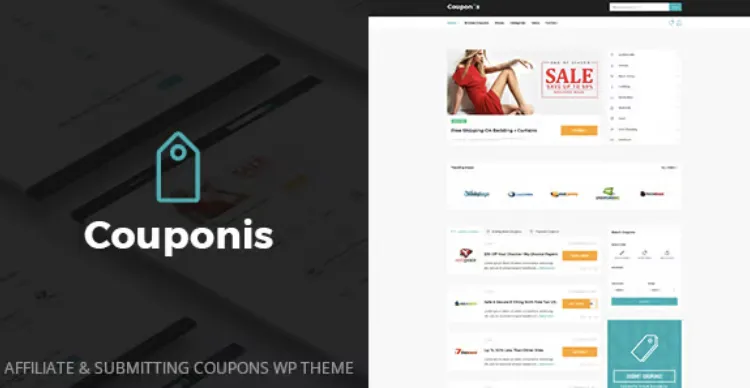
 depth by generating flat HTML trees and eliminating nested presentation wrappers during loop queries. Asynchronous […])
There are no reviews yet.