
 My Account
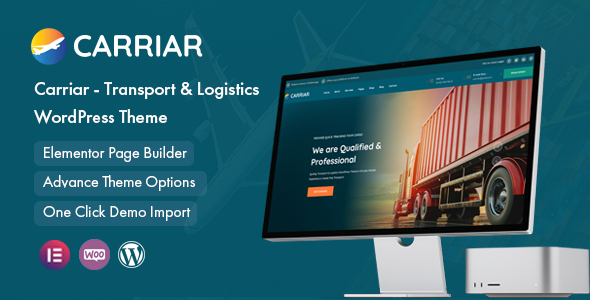
Core Engineering & Runtime Architecture of Carriar
Carriar – Transport & Logistic WordPress Theme operates on a modular, object-oriented PHP codebase optimized to maintain a lightweight DOM footprint and rapid server-side execution. Designed specifically for enterprise supply chain networks and freight management portals, the codebase decouples visual rendering components from core operational data to lower Time to First Byte (TTFB). The theme initializes assets conditionally via standard WordPress action hooks, preventing asset bloat by enqueuing script bundles and stylesheet dependencies only when specific page templates or blocks are mounted. Server-side queries leverage non-persistent object caching layers to process complex route maps and fleet catalogues without generating redundant database calls. By minimizing DOM depth and enforcing clean CSS Grid layouts, this transport logistics theme sustains optimal Core Web Vitals across both mobile and desktop viewports.
Key Functional Features of Carriar for Modern Deployments
- Asynchronous Dynamic Filtering: Carriar executes custom route, warehouse, and service listings via vanilla JavaScript REST API requests, bypassing full-page refreshes to minimize client-side CPU strain.
- Modular Header & Footer Builder: The system compiles navigational structures and metadata elements into cached template partials, reducing layout shift scores while serving critical dispatch data.
- Granular Typography & CSS Variable Architecture: Global design tokens map directly to native CSS variables, allowing real-time stylistic refactoring without recompiling server-side assets or generating inline style overrides.
- Sanitized Form Handling Pipeline: Lead capture, quote calculation, and delivery inquiry forms process submissions through structured endpoints secured with strict nonce verification and input sanitization routines.
Operational Implementation Scenarios
- Intermodal Freight & Cargo Dispatch: Intercontinental transit companies deploy the theme to publish multi-tier maritime, rail, and air scheduling tables with dedicated landing pages optimized for indexation across regional search engines.
- Regional Last-Mile Courier Operations: Local fleet managers utilize the integrated layout engine to present detailed service zones, fleet capacity metrics, and localized service terminals directly to corporate dispatchers.
- Contract Logistics & Warehousing Hubs: 3PL providers deploy service grids displaying temperature-controlled storage capacities, inventory handling workflows, and automated quotation dispatch mechanisms.
Technical Specifications & Ecosystem Support
| Core Framework | WordPress 6.x / PHP 8.1+ Strict Typing Compatible |
|---|---|
| Performance Architecture | Asynchronous CSS/JS Loading with Zero jQuery Reliance in Front-End Templates |
| Database Efficiency | Optimized WP_Query Implementations with Native Transient API Caching |
| Integration Layer | REST API Endpoints, Standard Custom Post Types, Native Hooks & Filters |
Technical & Integration FAQ for Carriar
Q: How does Carriar handle page-level caching compatibility with edge networks?
A: The theme outputs clean HTTP cache-control headers and avoids generating random session identifiers on static resources, allowing upstream Varnish and Cloudflare Edge engines to cache rendered HTML pages reliably without cache-busting conflicts.
Q: What architectural method does the theme use to prevent stylesheet bloat across custom post types?
A: Template logic registers isolated CSS chunks registered through the standard wp_enqueue_style mechanism and attaches them strictly within dynamic page conditions to keep the critical rendering path below 50 kilobytes.
Q: Can third-party tracking scripts be hooked into the quotation request pipeline without modifying core templates?
A: The template dispatches custom DOM events upon successful form validation, allowing tracking analytics and external webhook listeners to capture form events asynchronously without direct template overrides.






There are no reviews yet.