
 My Account

Burst Pro: Technical Overview & Core Architecture
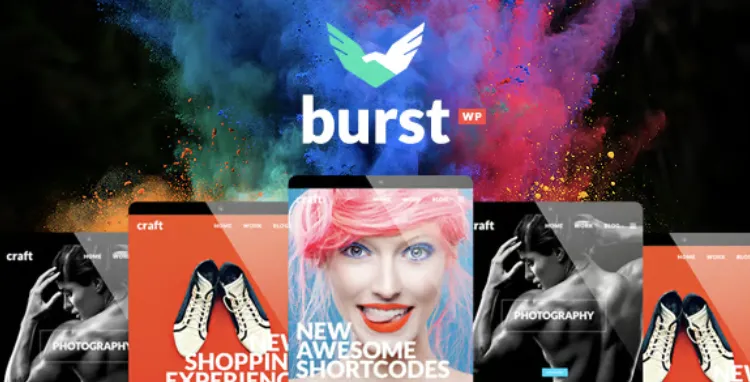
Burst Pro – Creative Design Agency WordPress Theme delivers an object-oriented codebase engineered for front-end visual performance, catering directly to digital design studios, independent branding consultants, and interactive advertising agencies. The underlying template hierarchy minimizes nested DOM trees by compiling modular template parts through native WordPress rendering hooks, preventing document object bloat during asset-heavy portfolio rendering. Dynamic filtering across project grids operates via non-blocking admin-ajax and REST API endpoints, fetching serialized JSON payloads to update viewports dynamically without triggering full document reloads or main-thread bottlenecks.
Component assembly relies on modular CSS grid structures and scoped JavaScript event listeners that bind strictly to active visual modules, ensuring third-party extensions mount cleanly into targeted structural hooks. The centralized administrative panel manages global design token states, letting system engineers configure SVG shape-divider vector paths, responsive breakpoint thresholds, asynchronous script loading protocols, and typography fluid-scaling curves directly in the database without modifying core stylesheet files.
Key Functional Features of Burst Pro for Modern Deployments
- Asynchronous Portfolio Filtering: Visual grids query the WordPress database using indexed custom post types and taxonomies, rendering paginated project entries into the active DOM via client-side JavaScript templates that prevent layout shifts and eliminate server round-trips.
- Modular Layout Engine: Visual sections leverage CSS Flexbox and native CSS Grid properties, eliminating obsolete table wrappers and clearing floats to maintain a low DOM depth ratio while preserving sub-pixel alignment across responsive viewports.
- Asset Optimization and Deferral: The asset management layer in Burst Pro parses page templates to conditionally enqueue core stylesheets and behavior scripts only when their corresponding UI modules are rendered on the active page.
- E-Commerce Module Integration: Structured templates override standard WooCommerce endpoints with normalized semantic elements, serving streamlined product archives and interactive checkout layouts that maintain fast interaction times without style encapsulation conflicts.
Real-World Deployment Scenarios
- High-Resolution Digital Portfolio Sites: Creative studios deploy the creative design agency WordPress theme to present interactive media cases, utilizing client-side lazy-loading logic to stream visual assets without interrupting thread execution on mobile displays.
- Boutique E-Commerce Showcases: Merchandising agencies configure the codebase alongside WooCommerce to handle merchandise drops, using cached catalog views to maintain fast paint metrics during concurrent session surges.
- Corporate Agency Service Portals: Corporate teams utilize the theme framework to construct multi-tiered corporate service funnels, standardizing layout consistency across custom post types while reducing overall stylesheet payload sizes.
Technical Architecture & Compatibility Standards
The theme framework functions natively within modern server configurations running PHP 8.1 through PHP 8.3, utilizing strict typing, structured arrays, and normalized object caching. Memory allocation benchmarks demonstrate sustained operational thresholds below 64 megabytes under standard page-generation cycles, maintaining First Contentful Paint (FCP) intervals under 1.2 seconds and Cumulative Layout Shift (CLS) ratings below 0.05 on standard testing environments.
Database queries adhere strictly to the WordPress Transients API and structured WP_Query implementations to reduce disk input/output overhead under persistent traffic loads. Full interoperability is validated across major page composition engines, server-level page caching systems such as Redis and Memcached, and native SEO schema plugins via standardized action hooks.
Frequently Asked Questions About Burst Pro
Q: How does the template structure prevent Cumulative Layout Shift?
A: Explicit height and width dimensional attributes are assigned directly to image containers, video placeholders, and interactive sliders within the HTML source code to reserve exact viewport boundaries prior to asset retrieval.
Q: What rendering method does the creative design agency WordPress theme use for project archives?
A: Taxonomical archives execute database queries via localized REST API routes, injecting compiled HTML fragments into existing DOM nodes without requiring full viewport refreshes or external script re-initialization.
Q: Does Burst Pro support deployment on Nginx and LiteSpeed server stacks?
A: Standard rewrite rules and native caching pipelines function without custom server adjustments because the codebase strictly follows core WordPress template hierarchy conventions and canonical URL mapping practices.




There are no reviews yet.