
 My Account
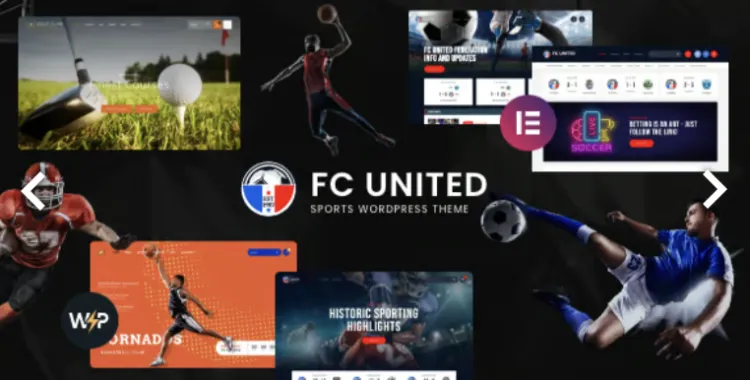
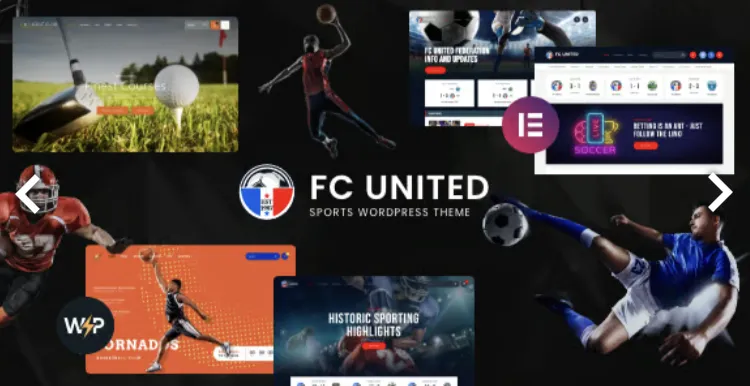
FC United Pro: Technical Overview & Core Architecture
FC United Pro | Football, Soccer & Sports WordPress Theme is engineered as a modular, database-driven framework designed specifically for football club administrators, sports league webmasters, and athletic academy directors. The internal codebase strips unneeded asset dependencies by enqueuing layout scripts conditionally, which limits DOM depth and prevents layout shifts during intense content rendering. Client-side state synchronization relies on asynchronous REST API endpoints and localized AJAX calls to refresh match scorecards, league ladders, and fixture data without triggering full browser reloads.
Component assembly functions through native template overrides and customized page-builder nodes, allowing engineers to structure complex squad registries while operating as a dedicated sports WordPress theme. A centralized theme configuration panel governs runtime typography systems, tactical team formations, player roster profiles, and fixture schedules directly via structured JSON options, bypassing manual file modifications across the child theme hierarchy.
Key Functional Features of FC United Pro for Modern Deployments
- SportsPress Data Normalization: Custom layout templates integrate directly with SportsPress custom post types to parse player performance metrics, card distributions, and match timelines through clean relational database tables.
- Modular Roster Layout Engines: Grid systems render player profiles with dynamic tactical position flags, historical statistics, and biographical tabs while enforcing strict CSS container queries for viewport adaptability.
- Synchronous League Table Compilers: Point calculations, goal differentials, and head-to-head records automatically reorder standings tables via automated calculation hooks triggered upon match report publication.
- WooCommerce Ticketing and Retail Integration: Pre-built shop templates leverage optimized checkout endpoints and custom product taxonomies to facilitate athletic merchandise and event entry sales without template conflicts.
Real-World Deployment Scenarios
- Competitive Football Club Web Portals: Organizations deploy the framework to broadcast weekly match reports, manage starting eleven line-ups with visual pitch maps, and update dynamic player status logs across matchday cycles.
- Multi-Tier Regional Tournament Hubs: League coordinators utilize the codebase to manage multi-group standings, aggregate aggregate knockout brackets, and track localized team disciplinary tallies across synchronized match venues.
- Athletic Academy Performance Tracking: Training academies configure the system to output youth team profiles, schedule training session calendars, and present development metrics using segregated squad taxonomies.
Technical Architecture & Compatibility Standards
Deploying FC United Pro within enterprise-grade hosting setups ensures baseline compatibility across PHP 8.1 through PHP 8.3 environments running Nginx or Apache stacks. The asset pipeline minifies compiled stylesheet bundles and delays non-critical JavaScript execution, consistently achieving First Contentful Paint benchmarks under 1.2 seconds and Cumulative Layout Shift metrics below 0.05 under standard Redis object caching.
Third-party interoperability extends to Elementor, SportsPress Pro, WooCommerce, and standard translation frameworks via standardized gettext string routines. Extensibility remains uninhibited through an extensive array of custom WordPress action and filter hooks, ensuring core stability and safe update paths for modern sports WordPress theme deployments.
Frequently Asked Questions About FC United Pro
Q: How does the theme handle real-time match statistic updates during live fixtures?
A: The theme executes localized admin-ajax routines to pull updated match timeline data and score values at scheduled intervals, injecting the refreshed values into the DOM without forcing an entire page re-render.
Q: Does the codebase accommodate multi-team organizations with separate squad registries?
A: Custom taxonomy architectures isolate distinct club rosters, senior squads, and reserve teams into independent relational buckets, enabling site administrators to display discrete team metrics and schedules across targeted page endpoints.
Q: Which server configurations provide optimal performance under high matchday traffic spikes?
A: Environments utilizing PHP 8.2 with OPcache enabled, coupled with Redis persistent object caching and an Nginx FastCGI microcache layer, deliver stable query responses during high-concurrency match fixtures.




There are no reviews yet.